The Trimurti: Cosmic Mechanics of Srishti, Sthiti, and Samhara
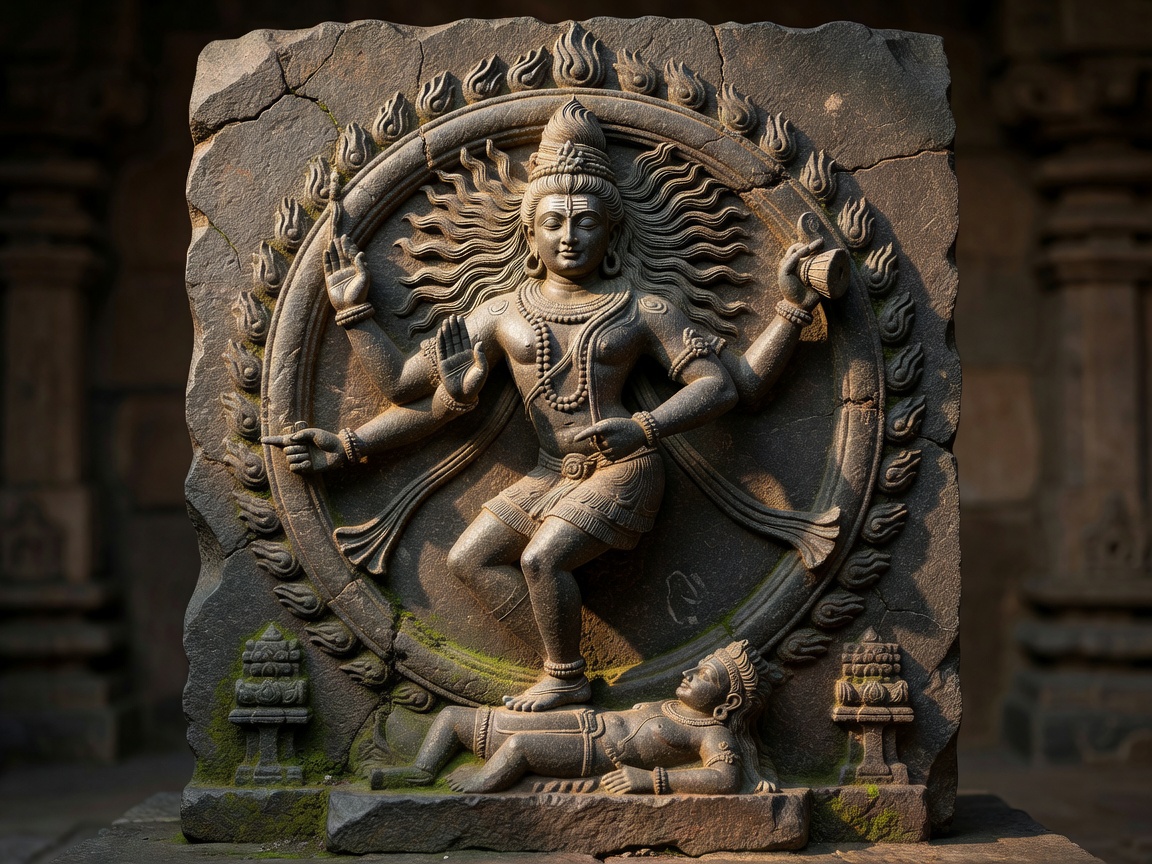
1. The Tripartite Manifestation of Ultimate Brahman
In classical Indian metaphysics, Nirguna Brahman (the unqualified absolute reality) manifests functionally into Saguna Brahman through the triad known as the Trimurti. Each deity represents an indispensable dynamic in the eternal cosmic cycle:
- Brahma: The personification of Rajas (activity, passion), tasked with bringing forth spatial form, elements, and living beings.
- Vishnu: The personification of Sattva (order, harmony, truth), preserving the moral and cosmic fabric through avatara descents.
- Shiva: The personification of Tamas (dissolution, spiritual transcendence), dissolving material forms so renewal can manifest.
2. The Chronology of Mahayugas
Time in Vedic thought is cyclical rather than linear. A single cycle of cosmic existence (Mahayuga) comprises 4.32 million solar years, divided into four escalating phases of moral decline:
- Satya Yuga (Golden Age): Dharma stands on four legs; truth and purity reign supreme.
- Treta Yuga (Silver Age): Dharma stands on three legs; rites and sacrifices begin.
- Dvapara Yuga (Bronze Age): Dharma on two legs; illness and strife arise.
- Kali Yuga (Iron Age): Dharma on one solitary leg; material greed dominates until the arrival of the Kalki avatara.
Primary Source Reference:
Consult authoritative historical resources on The Trimurti at Wikipedia ↗.