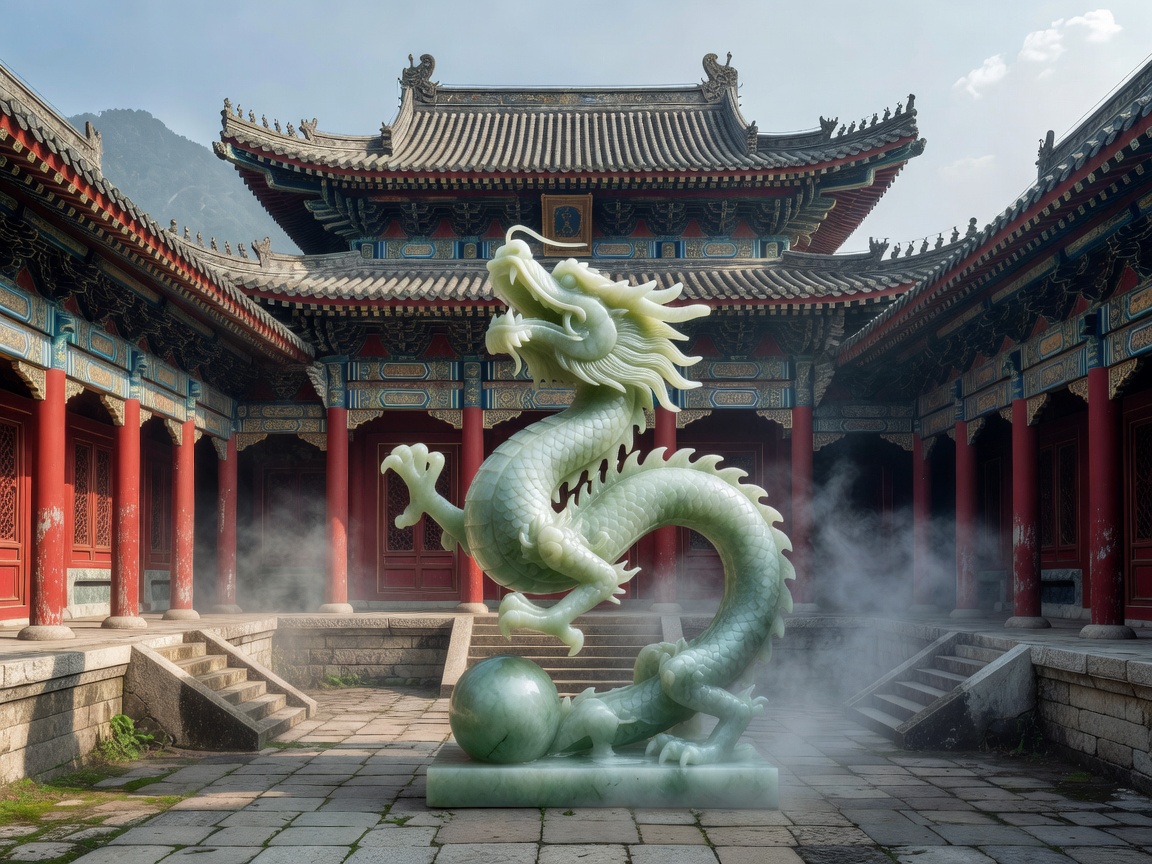
The Chinese Celestial Bureaucracy
Unlike individualistic pantheons, the ancient Chinese conception of the heavens mirrored an Imperial Government. Headed by the Jade Emperor (Yu Huang), departments oversaw thunder, wealth, epidemic prevention, and seasonal rains. Immortality was granted not merely by birth, but through profound Taoist cultivation and imperial decree.
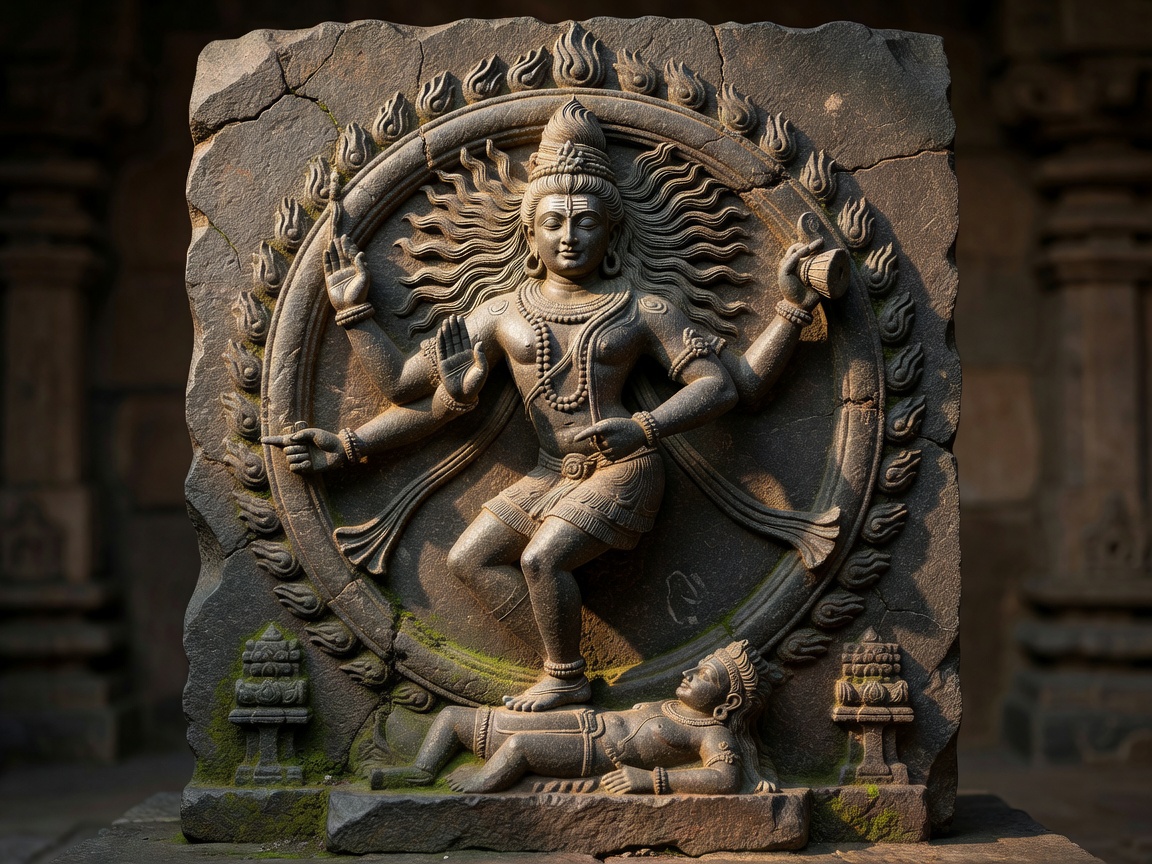
The Devas, Asuras, and the Supreme Trinity
The Vedic and Puranic traditions present a vast cosmic framework of Devas (celestial beings of light) and Asuras (beings of power and ambition), locked in perpetual struggle. Overarching this cosmic friction is the Trimurti: Brahma the architect, Vishnu the sustainer who incarnates across epochs (Yugas), and Shiva whose cosmic Tandava dance dissolves reality into primordial rest.
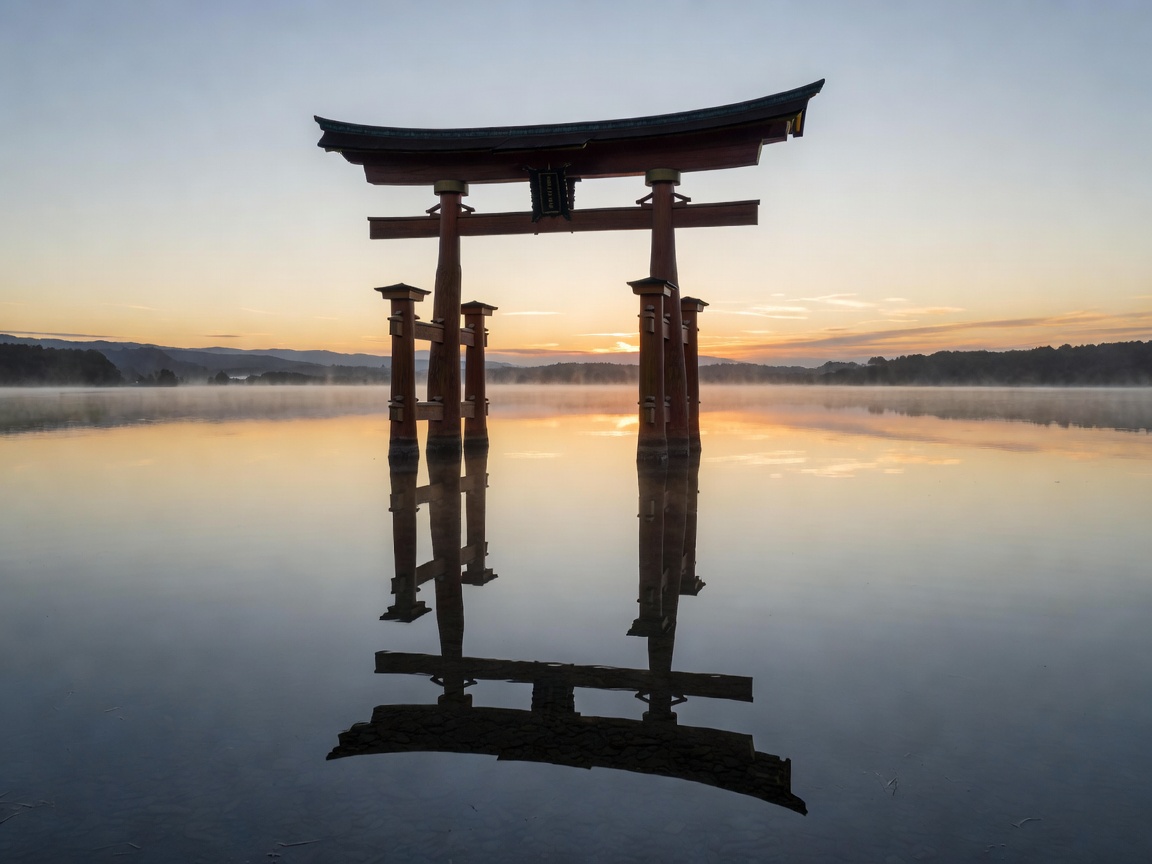
The Yaoyorozu no Kami: Eight Million Spirits
In Japanese mythology, the divine is not distant but infused in waterfalls, sacred cedar trees, storms, and mountains. The genesis begins with Izanagi and Izanami dipping the jeweled spear Ame-no-nuhoko into the sea, followed by the rise of Amaterasu Omikami (Sun Goddess), Tsukuyomi (Moon God), and Susanoo-no-Mikoto (Storm Sovereign).